

Breathe Easy, Colorado Springs: How Aeration is Revitalizing Our City (And Your Lawn!)
I. Introduction: The Unsung Hero of Health in Colorado Springs
Imagine a thriving city, vibrant green spaces, and crystal-clear water shimmering under the relentless Colorado sun. What’s the hidden superpower making it all possible in a dry, high-altitude environment like Colorado Springs? It’s not a flashy new technology, nor a grand architectural feat, but something far more fundamental: Aeration!
What is Aeration, you ask? In essence, it’s about the introduction and circulation of air (or other gases) into mediums that behave like fluids. Think of it as creating space, fostering life, and ultimately, optimizing functionality. Whether it’s the thirsty soil beneath your feet, or the complex processes involved in treating our vital water resources, aeration plays a crucial, often unseen, role.
Why does it matter, particularly here in Colorado Springs? The answer lies in our unique confluence of challenges: an arid climate that demands efficient water usage, compacted clay soils that resist the very breath of life, and a rapidly growing population placing ever-increasing demands on our natural resources and aging infrastructure. In this context, aeration transcends the realm of a mere “good idea,” becoming an absolute necessity for the health of our landscapes and the resilience of our vital water systems.
Over the coming paragraphs, we will dive deep into the multifaceted world of aeration, exploring its profound impact on everything from the vibrant green of your backyard to the health of our public lakes and the complex inner workings of our water treatment facilities.
II. Aeration 101: Giving Your Lawn Room to Grow (Literally!)
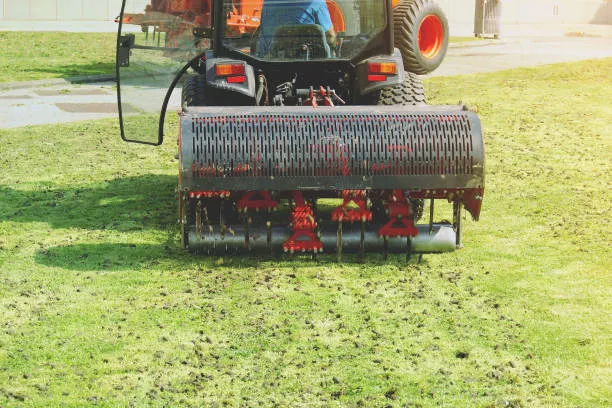
Let’s begin at ground level, with the very earth beneath our feet, or more specifically, beneath our lawns. The core concept, pun very much intended, is soil aeration. This process involves perforating the soil, essentially punching holes in the compacted earth, allowing it to breathe.
Here in Colorado Springs, we grapple with a particular challenge: our heavy clay soils. These soils, while rich in certain nutrients, are notoriously susceptible to compaction. The relentless pressure of foot traffic, heavy lawn equipment, and even the pounding of rain can squeeze the life out of the soil, suffocating the delicate roots of our grasses. Aeration offers a direct solution, mitigating this compaction and restoring the soil’s natural porosity.
And what’s the green payoff for your lawn? The benefits are manifold and significant:
- Roots, Glorious Roots: Aeration allows roots to penetrate deeper into the soil, establishing a stronger, more resilient foundation. This deeper root system provides greater access to water and nutrients, making your lawn far more resistant to drought and heat stress.
- Water Wise: By creating pathways for water to infiltrate the soil, aeration ensures that precious irrigation water and vital nutrients actually reach the roots, instead of simply running off the surface. This reduces water waste, minimizes puddling, and dramatically boosts irrigation efficiency.
- Thatch Buster: Aeration helps to break down that pesky layer of dead grass, roots, and debris known as thatch, which can choke your lawn and impede its growth.
- Happy Microbes: The introduction of oxygen into the soil creates an environment conducive to the growth and activity of beneficial microorganisms, which play a crucial role in nutrient cycling and soil health.
- Overall: The result is healthier, lusher, and more disease-resistant turf, a vibrant green carpet that thrives despite the challenges of our arid climate.
III. A Journey Through Time: Aeration’s History in the Pikes Peak Region
To truly appreciate the importance of aeration in Colorado Springs, it’s helpful to take a journey through time, tracing its evolution alongside the development of our city.
From its humble beginnings in 1871, early Colorado Springs was primarily focused on securing a reliable water supply. While the concept of “aeration,” as we understand it today, may not have been explicitly articulated, it’s highly probable that the region’s clay soils posed compaction issues from the very start, impacting agricultural practices and landscaping efforts.
The mid-20th century marked a turning point, with the advent of mechanical core aerators. These machines revolutionized lawn care, providing a more efficient and effective means of combating soil compaction and maintaining green lawns against the odds. The severe drought of 2002 further solidified aeration’s role in water-wise landscaping practices, driving its adoption among homeowners and landscaping professionals alike.
However, the story of aeration in Colorado Springs extends far beyond our lawns. It’s a story intrinsically linked to the health of our water resources:
- Wastewater: Driven by increasingly stringent environmental regulations, wastewater treatment plants, such as the Widefield and Englewood facilities, adopted aeration basins as a crucial step in breaking down organic matter and purifying wastewater before it is released back into the environment.
- Drinking Water: As recently as 2017, dedicated aeration systems were installed to address unexpected challenges, such as the formation of Trihalomethanes (THMs), in our otherwise pristine mountain water, ensuring that our drinking water remains safe and palatable.
- Recreational Waters: In a decision that speaks volumes about our commitment to environmental stewardship, the city recently implemented a permanent aeration system in Prospect Lake (2024) to combat algae blooms and prevent fish kills, safeguarding this cherished recreational amenity for future generations.
IV. What Are People Saying? Current Trends & Local Opinions
What do Colorado Springs residents think about aeration? Let’s dive into the current trends and local opinions surrounding this vital practice.
- The Homeowner’s Verdict: The overwhelming consensus among homeowners is that aeration is an essential component of a healthy Colorado Springs lawn.
- Timing is Everything: The optimal time for aeration is generally considered to be the fall (September-October), when our cool-season grasses are actively growing. Spring is often cited as a good second option.
- Core vs. Liquid: The debate rages on! Core aeration, which involves removing small plugs of soil, remains the most proven and widely recommended method. However, liquid aeration, a less invasive alternative, is gaining traction as a year-round solution for loosening soil.
- DIY or Call a Pro? Homeowners face a choice: tackle the task themselves by renting an aeration machine (remember to mark those sprinkler heads!), or enlist the services of a professional landscaping company. Professional services typically cost between $45 and $81, offering convenience and specialized equipment.
The principles of aeration also extend beyond residential lawns, guiding maintenance practices in our parks, golf courses, and broader municipal efforts to improve water quality and protect our natural resources.
V. Turbulent Waters: Controversies & Challenges in Colorado Springs Aeration
The story of aeration in Colorado Springs is not without its share of controversies and challenges.
- Prospect Lake’s Big Decision: The recent decision to install a permanent aeration system in Prospect Lake sparked community discussions about striking a delicate balance between lake health and recreational uses, particularly regarding motorized boating. Fortunately, the final design accommodates both, allowing continued boating activities while effectively combating algae blooms.
- The Stormwater Scrutiny: Colorado Springs has faced significant fines and legal action from both the EPA and the State for past stormwater mismanagement. This highlights the critical link between proper water flow (and the indirect aeration it provides) and the overall environmental health of Fountain Creek.
- Drinking Water Quality Concerns: While aeration plays a crucial role in mitigating THMs, broader concerns persist regarding contaminants such as PFAS (stemming from Peterson AFB) and even controversial construction issues at a local water tank. These issues underscore the ongoing efforts and challenges in ensuring the safety and quality of our city’s drinking water.
- Lawn Aeration “Don’ts”: It’s generally agreed that spike aerators are a no-go, as they can actually exacerbate soil compaction. Furthermore, the efficacy of liquid aeration as a standalone solution remains a subject of ongoing discussion.
VI. Future Forward: Innovation and the Aerated Tomorrow
Looking ahead, the future of aeration in Colorado Springs is bright, driven by innovation and a commitment to sustainability.
Smart Water, Smarter City:
- Wastewater’s Next Chapter: The massive Eastern Wastewater System Expansion (EWSE), slated for completion between 2026 and 2030, promises to leverage cutting-edge technologies, including drones for surveying and “smart aeration” systems powered by AI. These advanced systems, incorporating jet aeration and advanced diffusers, will maximize efficiency and minimize energy consumption.
- Crystal Clear Lakes: The permanent aeration system recently installed in Prospect Lake is just the beginning. Future possibilities include the implementation of ultrasonic algae control technologies.
- Protecting Our Source: Beyond treatment, proactive forest management efforts upstream are crucial in preventing wildfires from impacting our drinking water quality. This approach ensures that our water remains naturally “aerated” by the environment.
Greener Lawns, Sustainably:
Continued advancements in organic and liquid aeration methods hold the promise of easier, more eco-friendly ways for homeowners to maintain healthy turf year-round, specifically adapted to the unique challenges of Colorado’s climate.
VII. Conclusion: A City That Breathes Deep
In conclusion, aeration, in its many forms, represents a fundamental and continuously evolving practice that is integral to the environmental health and long-term sustainability of Colorado Springs. From the carefully manicured lawns of our neighborhoods to the depths of our lakes and the intricate processes within our water treatment plants, aeration plays a vital role in optimizing essential resources and ensuring a healthy environment for all.
I encourage you, dear reader, to take a moment to appreciate the significance of aeration and consider incorporating it into your own lawn care routines.
So, the next time you find yourself enjoying a leisurely stroll across a resilient, vibrant green lawn, or savoring a refreshing glass of tap water, pause and reflect on the silent, powerful force working behind the scenes, ensuring that Colorado Springs can always breathe easy.